Light Bulb Character Dark Pattern: Strategic Use for Creative and Business Applications
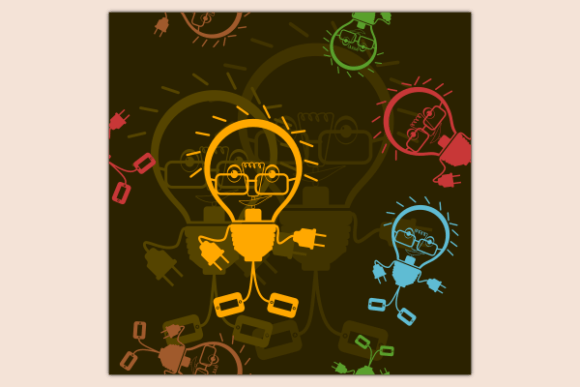
The Light Bulb Character Dark Pattern is a unique design element that combines visual simplicity with strategic intent. It represents an idea or innovation in a way that is both recognizable and adaptable. This dark pattern, often used in digital interfaces, can be reimagined as a flat monochrome cartoon style light bulb character, available in various colors and designed as a seamless pattern. Its versatility makes it suitable for a wide range of applications, from fabric designs to promotional materials and educational illustrations.
Understanding the Light Bulb Character Dark Pattern
The concept of the Light Bulb Character Dark Pattern originates from user interface design, where it is used to signal an idea or solution. In this context, the dark pattern refers to a design choice that subtly influences user behavior. However, when applied to a visual asset like a light bulb character, it becomes a powerful tool for communication and branding.
This design element is particularly effective because it is universally understood. The light bulb symbolizes creativity, problem-solving, and innovation. By incorporating it into a dark background with a flat monochrome style, it gains a modern, minimalist appeal that works well across different media.
Strategic Value of the Light Bulb Character Dark Pattern
For entrepreneurs, marketers, and creators, the Light Bulb Character Dark Pattern offers more than just aesthetic value. It serves as a visual metaphor for ideas and solutions, making it an excellent tool for storytelling and brand identity. When used intentionally, it can enhance messaging, reinforce brand values, and create a consistent visual language across platforms.
Consider how this pattern can support your goals. If you're designing a product for children, the light bulb character can be a fun and engaging element that encourages curiosity. For business professionals, it can be part of a presentation or marketing material that highlights innovation and forward-thinking strategies.
When and How to Use the Light Bulb Character Dark Pattern
The Light Bulb Character Dark Pattern is most effective when used with a clear purpose. It should not be included merely for decorative reasons. Instead, think about how it aligns with your overall strategy. For instance, if you're creating a website or app, the pattern could be used to highlight key features or guide users toward important actions.
When working with this design, consider the following steps:
- Define your objective: What message do you want to convey? Is it about creativity, innovation, or problem-solving?
- Choose the right context: Will it be part of a larger design, or will it stand alone? Ensure it complements the surrounding elements.
- Experiment with variations: Try different color schemes and placements to see what works best for your audience.
By taking a thoughtful approach, you can maximize the impact of the Light Bulb Character Dark Pattern while avoiding potential pitfalls.
Practical Applications and Use Cases
The versatility of the Light Bulb Character Dark Pattern makes it ideal for a variety of use cases. Here are some practical examples:
- Fabric Designs: Incorporate the pattern into clothing, bags, or home decor to add a touch of creativity and originality.
- Invitations and Cards: Use it as a decorative element on event invitations, greeting cards, or business cards to capture attention and convey a sense of innovation.
- Merchandise: Apply the pattern to t-shirts, mugs, or other products to create a cohesive brand image and attract customers.
- Illustrations: Integrate the character into children's books or educational materials to make learning more engaging and interactive.
Each application requires careful consideration of the target audience and the desired outcome. The key is to ensure that the pattern enhances the overall message rather than distracts from it.
Considerations Before Relying on the Light Bulb Character Dark Pattern
While the Light Bulb Character Dark Pattern is a valuable tool, it is important to use it with intention. Without a clear purpose, it may lose its effectiveness and become just another design element. Before incorporating it into your work, ask yourself:
- Does this pattern align with my brand identity?
- Will it resonate with my target audience?
- How does it contribute to the overall message or goal?
These questions help ensure that the pattern is used strategically rather than randomly. It also helps avoid overuse, which can dilute its impact and reduce its effectiveness.
Intentional Use for Long-Term Results
To achieve long-term results, it’s essential to use the Light Bulb Character Dark Pattern intentionally. This means integrating it into a broader strategy that includes branding, content creation, and audience engagement. By doing so, you can build a consistent visual identity that strengthens your brand and improves customer recognition.
For example, if you’re launching a new product line, consider using the pattern as part of your packaging, marketing materials, and social media content. This creates a unified experience that reinforces your brand message and builds trust with your audience.
Additionally, the pattern can be used to support learning and development. In educational settings, it can serve as a visual aid that helps students understand complex concepts. For professionals, it can be a reminder of the importance of creativity and problem-solving in daily tasks.
Final Thoughts on Strategic Design Choices
The Light Bulb Character Dark Pattern is more than just a visual element—it’s a strategic tool that can influence perception, communication, and decision-making. When used thoughtfully, it can enhance your creative projects, support your business goals, and improve the overall user experience.
Remember, the key to success lies in intentionality. Take the time to plan, experiment, and refine your approach. With the right strategy, the Light Bulb Character Dark Pattern can become a valuable asset in your design toolkit.